


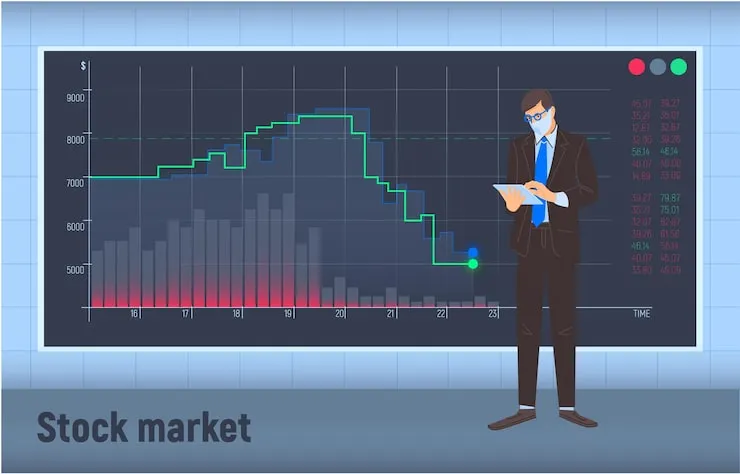
Stock Valuation Explained: How to Know if a Stock Is Expensive
Investing in stocks can feel like navigating a maze. One of the most common questions investors face is: how do I know if a stock is expensive or fairly priced? Understanding stock valuation is critical to making informed investment decisions. In this guide, Stock Valuation Explained: How to Know if a Stock Is Expensive, we break down the key concepts, methods, and metrics investors use to assess stock prices.
What Is Stock Valuation?
Stock valuation is the process of determining the intrinsic value of a company’s stock. The intrinsic value represents what a stock is truly worth, based on factors like earnings, growth potential, risk, and market conditions. By comparing this intrinsic value with the stock’s current market price, investors can identify whether a stock is overpriced, underpriced, or fairly valued.
Think of it this way: just because a stock costs $100 doesn’t necessarily mean it’s worth $100. Stock valuation helps investors separate hype from reality.
Why Stock Valuation Matters
Understanding stock valuation is essential for several reasons:
-
Avoid Overpaying: Buying a stock that is too expensive can limit your returns.
-
Identify Opportunities: Undervalued stocks often have higher potential for growth.
-
Risk Management: Knowing the value of a stock helps reduce the risk of losses.
-
Long-Term Investing: Proper valuation supports sustainable investment strategies rather than chasing trends.
Simply put, stock valuation equips you with the tools to make smarter investment choices.
Key Methods of Stock Valuation
There are multiple ways to value a stock, each with its advantages and limitations. Let’s explore the most common methods.
1. Price-to-Earnings (P/E) Ratio
The Price-to-Earnings (P/E) ratio is one of the most widely used stock valuation metrics. It compares a company’s stock price to its earnings per share (EPS):
P/E Ratio=Stock PriceEarnings Per Share\text{P/E Ratio} = \frac{\text{Stock Price}}{\text{Earnings Per Share}}P/E Ratio=Earnings Per ShareStock Price
-
High P/E Ratio: May indicate that a stock is expensive relative to its earnings.
-
Low P/E Ratio: Could suggest the stock is undervalued or that the market expects slower growth.
Example: If a stock trades at $50 per share and has an EPS of $5, the P/E ratio is 10. If competitors in the same industry have P/E ratios around 15, this stock might be undervalued.
2. Price-to-Book (P/B) Ratio
The Price-to-Book (P/B) ratio compares a stock’s price to its book value (the net asset value of a company):
P/B Ratio=Stock PriceBook Value Per Share\text{P/B Ratio} = \frac{\text{Stock Price}}{\text{Book Value Per Share}}P/B Ratio=Book Value Per ShareStock Price
-
P/B < 1: Stock might be undervalued.
-
P/B > 3: Could indicate the stock is expensive.
This method is particularly useful for companies with significant assets, like banks or real estate firms.
3. Discounted Cash Flow (DCF) Analysis
Discounted Cash Flow (DCF) analysis calculates the present value of expected future cash flows. This method is more complex but highly effective for determining intrinsic value:
Intrinsic Value=∑Future Cash Flow(1+Discount Rate)t\text{Intrinsic Value} = \sum \frac{\text{Future Cash Flow}}{(1 + \text{Discount Rate})^t}Intrinsic Value=∑(1+Discount Rate)tFuture Cash Flow
-
If the DCF value > current stock price → Stock may be undervalued.
-
If DCF value < current stock price → Stock may be overvalued.
DCF requires assumptions about growth rates and discount rates, which can vary depending on market conditions.
4. Dividend Discount Model (DDM)
For dividend-paying stocks, the Dividend Discount Model (DDM) estimates the present value of expected future dividends:
Value per Share=D1r−g\text{Value per Share} = \frac{D_1}{r - g}Value per Share=r−gD1
Where:
-
D1D_1D1 = Dividend next year
-
rrr = Required rate of return
-
ggg = Dividend growth rate
This model works best for stable, mature companies with predictable dividend payments.
How to Know if a Stock Is Expensive
Now that we’ve covered valuation methods, here are practical steps to determine if a stock is expensive:
1. Compare P/E Ratios With Industry Peers
A stock with a P/E ratio significantly higher than its peers may be overpriced. But remember, high P/E stocks can also reflect strong growth expectations.
2. Examine Historical Valuation
Look at the stock’s historical P/E or P/B ratios. If the stock currently trades well above its historical average, it could be expensive.
3. Check Growth vs. Price
High-growth companies often have higher valuations. Consider metrics like PEG ratio (P/E divided by growth rate) to balance price and growth.
4. Assess Market Sentiment
Sometimes, hype or fear can inflate stock prices. Analyzing market sentiment and news trends can reveal whether a stock is overpriced due to speculation.
5. Calculate Intrinsic Value
Use DCF or DDM models to estimate intrinsic value. If the current price exceeds intrinsic value, the stock may be expensive.
Common Mistakes to Avoid
Even seasoned investors can misjudge stock valuations. Here are pitfalls to watch out for:
-
Relying solely on P/E ratio: A high P/E doesn’t always mean a stock is overpriced; it could indicate growth potential.
-
Ignoring debt: High debt levels can make a stock riskier, regardless of valuation.
-
Chasing trends: Avoid buying stocks simply because they’re popular or “hot.”
-
Neglecting fundamentals: Focus on earnings, cash flow, and growth, not just stock price movements.
Tips for Evaluating Stocks
-
Diversify Your Approach: Use multiple valuation methods to cross-check conclusions.
-
Factor in Economic Conditions: Interest rates, inflation, and macroeconomic trends can affect stock prices.
-
Consider Qualitative Factors: Management quality, competitive advantage, and brand strength matter.
-
Stay Patient: Stock valuation is more effective for long-term investing than for short-term speculation.
FAQs on Stock Valuation
Q1: Is a high P/E ratio always bad?
Not necessarily. A high P/E may reflect strong growth expectations. Consider the PEG ratio to adjust for growth.
Q2: Can small investors do DCF analysis?
Yes. While DCF requires some assumptions, free online tools and spreadsheets can simplify the process.
Q3: How often should I check a stock’s valuation?
Valuation should be reviewed periodically, especially when a company releases earnings reports or significant news occurs.
Q4: Are P/B and P/E ratios sufficient to evaluate a stock?
They’re useful starting points, but relying solely on these metrics may be misleading. Always consider multiple valuation methods.
Q5: Can market sentiment make a stock expensive even if fundamentals are strong?
Yes. Investor hype or panic can temporarily inflate or depress stock prices, regardless of a company’s intrinsic value.
Final Thoughts
Knowing whether a stock is expensive is a blend of art and science. Stock Valuation Explained: How to Know if a Stock Is Expensive isn’t just about numbers—it’s about understanding a company’s true worth, comparing it with market price, and making informed investment decisions. By using valuation tools like P/E ratio, P/B ratio, DCF, and DDM, investors can avoid overpaying for stocks and increase their chances of long-term success.
Remember, investing wisely requires patience, research, and the ability to separate emotion from analysis. Mastering stock valuation is a powerful step toward achieving your financial goals.